Paper supply risk usually gets attention when a shipment is late, a familiar grade disappears, or a quote suddenly jumps. By then, the real issue has often been building for months. For print businesses, converters, and packaging producers, that is the hard truth. Trouble does not start at the merchant. It starts further upstream in forests, fibre supply, pulp production, transportation, and the economics that determine whether paper can be made competitively at all.
A recent example is Canfor’s decision to permanently close its Northwood Pulp Mill in Prince George, British Columbia. That removes roughly 300,000 tonnes of annual Northern Bleached Softwood Kraft pulp production and affects about 300 employees. One closure does not automatically mean Ontario printers will face immediate shortages. Still, it points to broader structural pressure across Canada’s forest products sector, including weaker pricing, higher operating costs, global oversupply, and ongoing fibre access problems.
For OPIA members, the takeaway is not panic. It is awareness. An industry association should say this plainly. If printers only start thinking about paper supply risk when paper is already hard to get, they are thinking about it too late.
Why upstream problems matter to print buyers
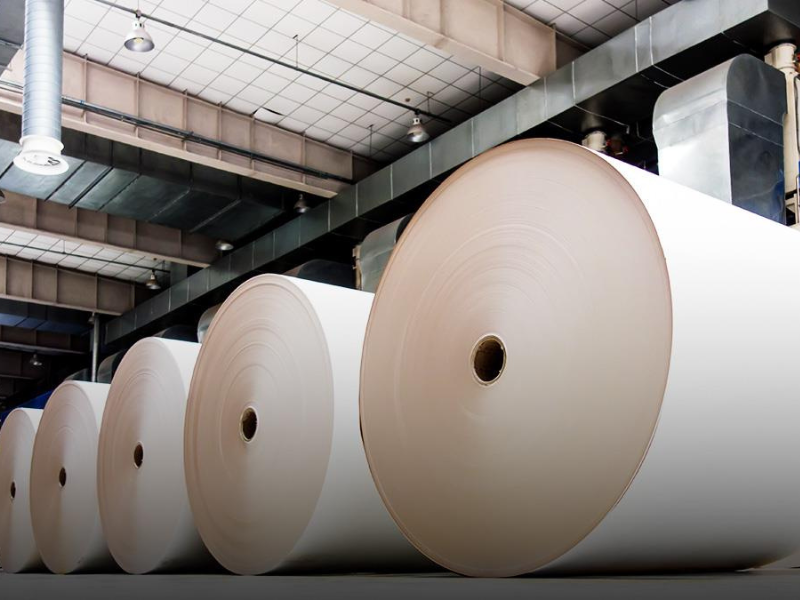
Paper manufacturing is a connected chain. Trees become fibre. Fibre becomes pulp. Pulp becomes paper and paperboard. Those materials then become books, brochures, labels, folding cartons, and other printed products. When one part of that system weakens, the effects can move downstream over time.
That does not mean every mill closure will trigger a crisis. Supply and demand can shift by region, grade, and end use. But every reduction in domestic production changes the balance of supply and reduces flexibility. Less flexibility can show up later as longer lead times, fewer sourcing options, more pricing pressure, or more difficulty replacing a specific grade.
Questions smart print leaders should be asking
Many companies closely track scheduling, sales, and inventory inside the plant. Fewer consistently monitor what is happening upstream. That gap matters because paper supply risk is often shaped by decisions far outside the pressroom.
- Supplier mix: Are you too dependent on one merchant, mill, or source for key grades?
- Grade exposure: Which substrates would be hardest to replace if availability tightened?
- Inventory policy: Are you carrying enough stock on critical work to absorb disruption without tying up cash unnecessarily?
- Customer terms: Do contracts allow room to address unexpected material cost increases?
- Supplier relationships: Are you having regular conversations with merchants before supply gets tight?
Resilience is built before the disruption
Supply chain resilience is becoming a real competitive advantage in Ontario’s printing, imaging, packaging, and graphic communications industry. Companies that understand paper supply risk earlier can make better purchasing decisions, qualify alternatives faster, and communicate with customers before pressure turns into a service problem.
The point is not to react to every industry announcement. It is to build the habit of watching the full supply ecosystem. The most resilient businesses know that shortages rarely begin when paper is unavailable. They begin when upstream conditions start to erode and nobody downstream is paying attention.
Where OPIA fits
OPIA helps members stay connected to the wider industry issues that shape day-to-day business performance, including supply chain awareness, market developments, and practical peer insight.