
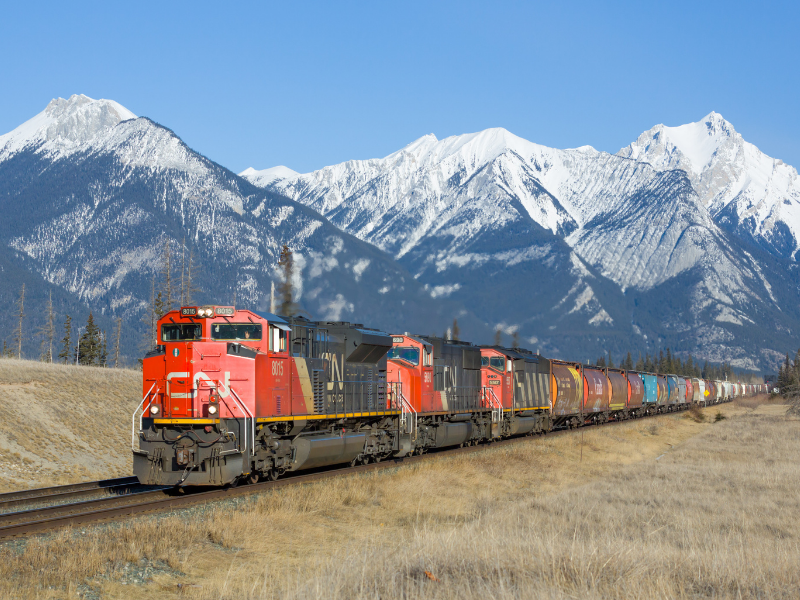
Paper supply risk does not begin only with mills, merchants, or inventory levels. For many printers, the first sign shows up at the point of purchase: a grade gets harder to source, lead times stretch, freight charges rise, or a merchant signals tightening availability. By then, the real problem may have started much earlier. A paper supply chain is only as resilient as the transportation network connecting it.
That matters in Ontario’s printing, imaging, packaging, and graphic communications industry because paper can exist and still be difficult to get. A mill may have capacity to produce a grade, yet unreliable rail service, rising freight costs, or a labour disruption can still affect whether that paper reaches converters, merchants, and printers at the right time and cost.
Production capacity is not the same as practical availability
Paper-supply problems are often treated as manufacturing problems. Sometimes they are. But transportation is part of the economics of producing and supplying paper. According to the Forest Products Association of Canada, an average forest-products shipment travels roughly 1,200 kilometres over land, nearly 90% of member mills are served by only one railway, and rail costs can represent 20% to 25% of typical delivered product value.
That means transportation is not a side issue. It affects lead times, delivered cost, and supplier flexibility. A grade may still be in production while becoming harder or more expensive to move into a particular region. Delays upstream can show up downstream as substitution pressure, longer merchant lead times, and tighter scheduling at the plant level.
Know where your critical grades come from
The lesson for print leaders is not to become transportation experts. It is to ask better procurement questions. Do we know where our most important grades originate? How dependent are those grades on one mill, one region, or one transportation corridor? Does purchasing consider delivered-cost volatility as well as unit price?
These questions matter because supply risk begins upstream. Inventory, pricing, and merchant relationships still matter, but so do fibre availability, mill economics, rail and trucking capacity, labour disputes, infrastructure bottlenecks, fuel and freight costs, and regional disruptions. None of these automatically creates a shortage. Together, they determine how resilient supply remains when conditions change.
Build options before you need them
Holding more paper is not always the answer. Extra inventory ties up cash and creates its own risks. A stronger objective is optionality: more than one qualified grade, more than one supplier where practical, better visibility into lead times, and clearer customer agreements around substitutions.
That can mean reviewing how long current inventory would last if transportation were disrupted, qualifying alternate stocks before they are needed, and confirming whether customers are open to approved substitutions. It can also mean identifying critical materials where a second supplier should be qualified before normal movement is interrupted.
From OPIA’s perspective, this is not an argument for alarm. It is an argument for broader supply-chain awareness. Printers cannot control upstream transportation, but they can reduce how exposed their businesses are when transportation problems occur.
Where OPIA fits
OPIA helps members strengthen business resilience by sharing practical industry information, education, events, and peer connection that support better decisions. Topics like paper supply risk are part of a larger conversation about how Ontario printers can understand the full path between the mill and the press, then build alternatives before that path is disrupted.
Frequently Asked Questions
This section answers common questions related to paper supply risk, helping businesses in the printing and graphic communications industry understand and manage potential disruptions in their supply chains.
What is paper supply risk and why does it matter for printers?
Paper supply risk refers to the potential for disruptions in the availability, cost, or timely delivery of paper. It matters for printers because issues can arise not only from mills or inventory but also from transportation, freight costs, and regional disruptions, all of which can impact production schedules and costs.
How does transportation affect paper supply risk?
Transportation plays a critical role in paper supply risk. Even if mills have production capacity, unreliable rail service, rising freight costs, or labor disruptions can delay or increase the cost of getting paper to printers, affecting lead times and overall supply chain resilience.
What factors should printers consider to reduce paper supply risk?
Printers should assess where their critical paper grades originate, how dependent they are on specific mills or transportation corridors, and consider delivered-cost volatility. Understanding these factors helps identify vulnerabilities and build a more resilient supply chain.
Is holding more inventory the best way to manage paper supply risk?
Holding extra inventory is not always the best solution, as it ties up cash and introduces other risks. A better approach is to build options, such as qualifying alternate grades and suppliers, improving visibility into lead times, and establishing clear agreements for substitutions.
How can industry organizations help address paper supply risk?
Industry organizations like OPIA support members by sharing practical information, education, and peer connections. This helps businesses understand the full supply chain, anticipate risks, and develop strategies to maintain resilience when disruptions occur.